For mothers of girls aged 11 to 15
When she asks you
about her first period,
you know what to say.
Hayd & Seek gives you scholar and medically-reviewed answers about menstruation, purification and prayer in simple terms. Using bite-sized information, Hayd & Seek provides a safe and private space for your daughter to seek answers and learn on her own or together with you.
Shafi'i school of thought. No account for her. No cycle tracking. Nothing about her is collected.









Why this exists
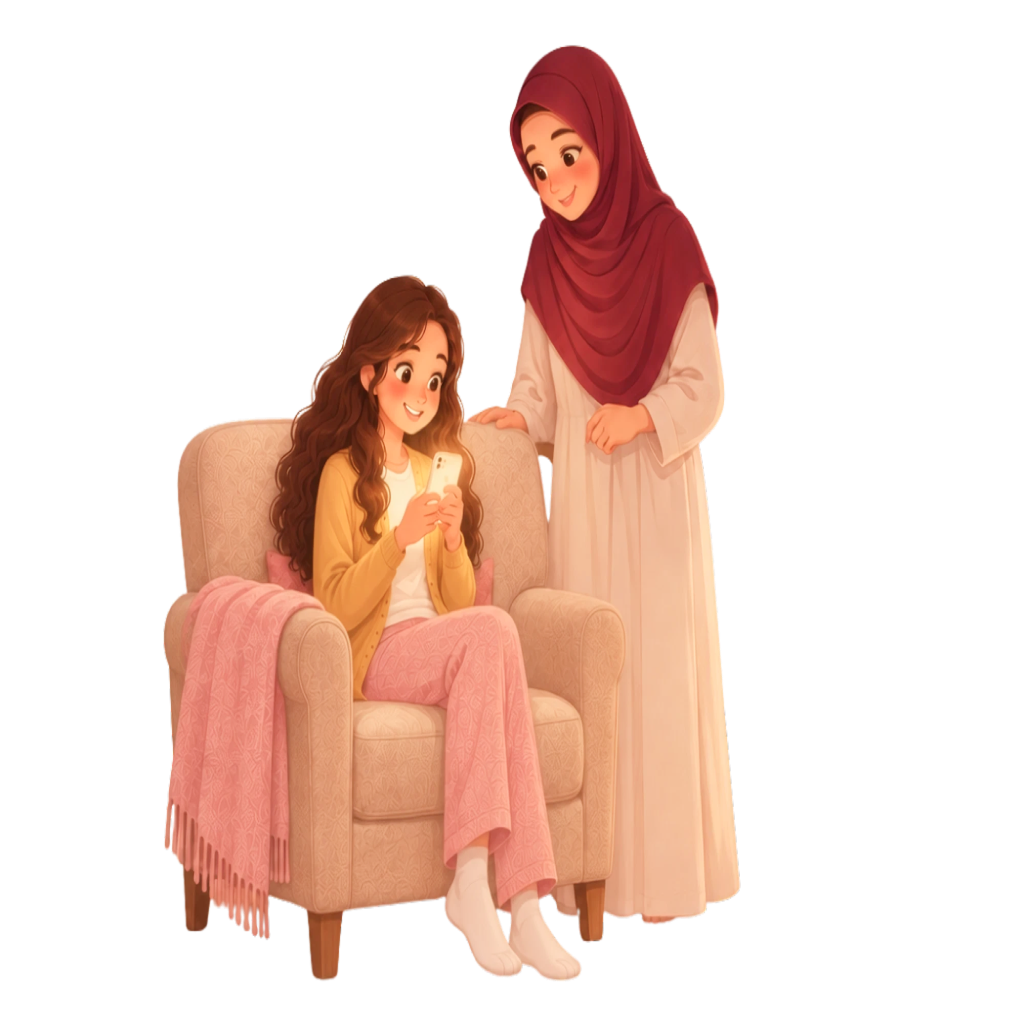
Girls have questions they are shy to ask. Mothers have answers they are not sure of.
Information about menstruation (hayd), purification (ghusl) and any matters relating to what a girl could or could not do during her menstruation are readily available. What is missing is a safe and trusted space where a girl could ask, or for her to learn with her mother on matters that are private and close to her heart.


The daughter
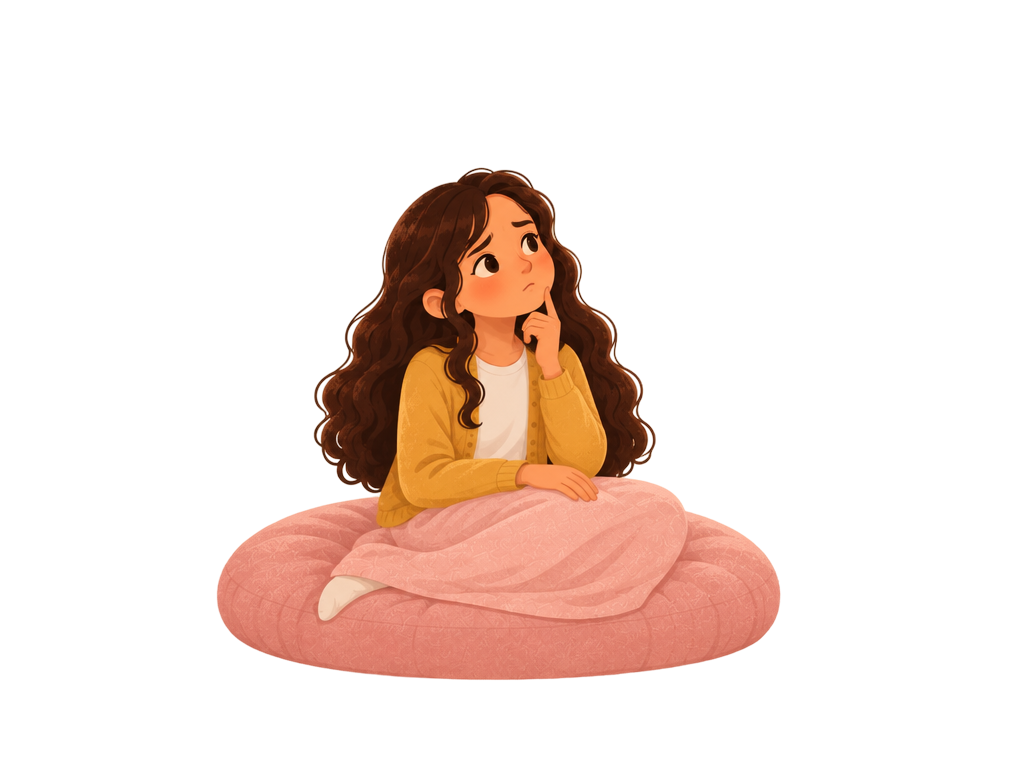
"I notice a change during my period and I am not sure what it means for my prayers. Yet I am shy or just do not want to ask anyone about it."
- Finds long articles and does not understand some Arabic terms to do with menstruation.
- Wants to check whether her period has ended, on her own.
- Wants to address her concerns, without having to ask someone, every time.
The mother
"I know the rulings roughly, but I do not know how to explain them to an eleven-year-old."
- Unsure which explanation is correct according to the Shafi'i school of thought.
- Wants the first connection to go well.
- Feels uncomfortable with an app that collects any information about her daughter.






Know your body. Understand your faith.
Guidance, faith and an open mind, for a mother and daughter learning together.
How it works
You start it. She grows into it.
You set it up in a few minutes. In the beginning you lead. Over time, your daughter needs you less for every question.

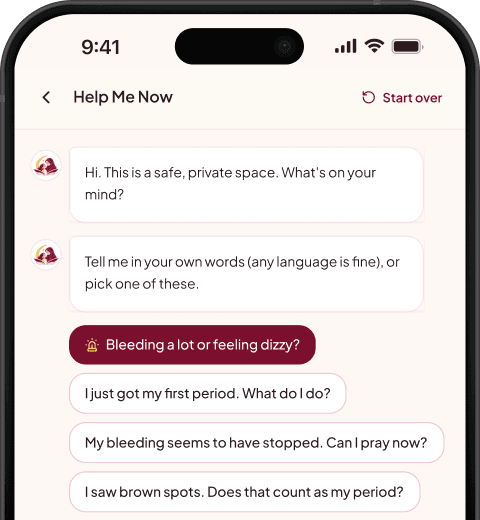
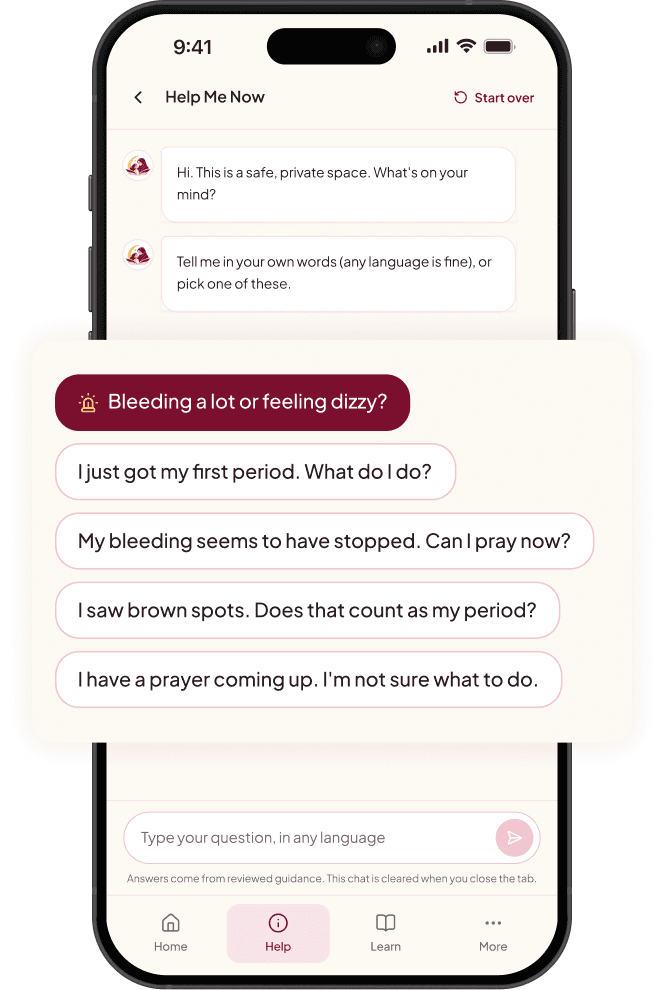
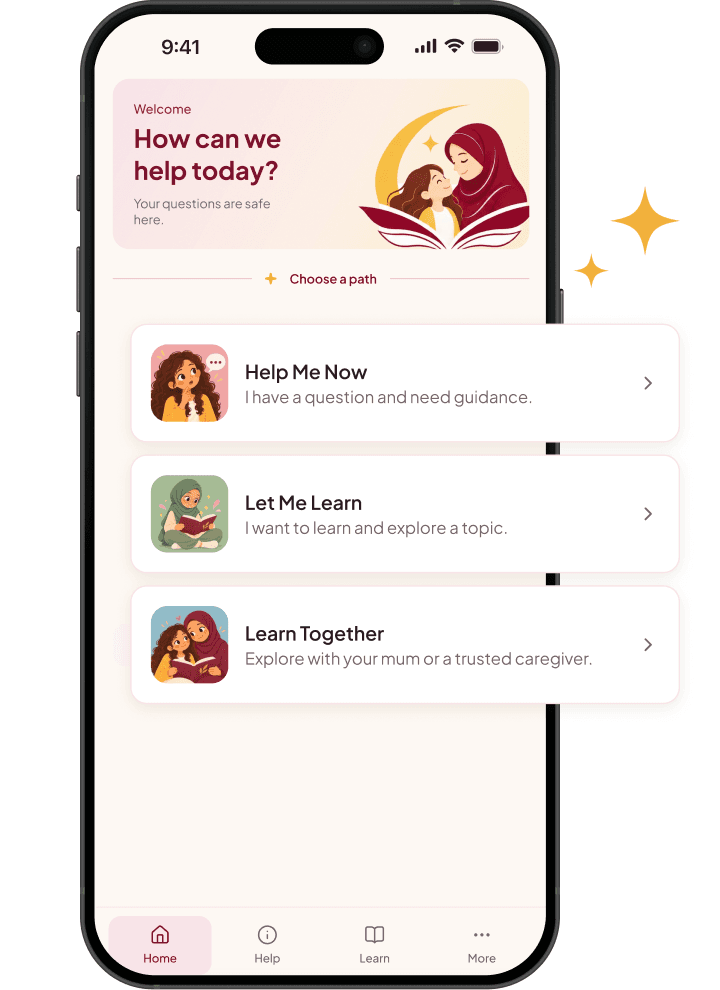
Help Me Now
"This is happening to me now. What should I do?"
Your daughter needs real-time answers to her queries and types in her questions. She gets her answers in a clear and simple manner immediately.

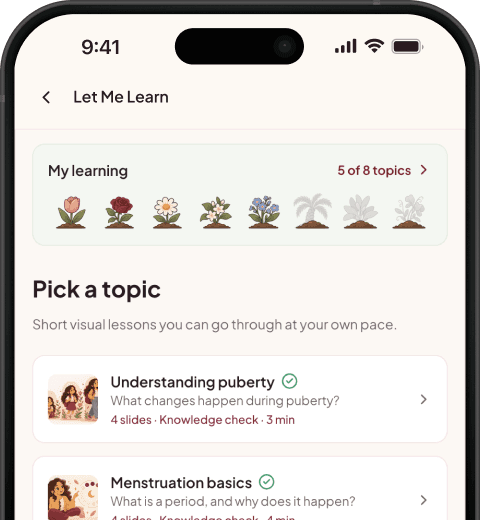
Let Me Learn
"Teach me about this topic so I understand it."
Your daughter wants to learn something new. She reads up on her own and gets to learn from short illustrated lessons on puberty, menstrual health, purification and worship.

Learn Together
"How can we talk about or practice this together?"
Your daughter wants to learn or discover something new with you by her side. She gets to learn with a trusted companion who has gone through the same experience as her.
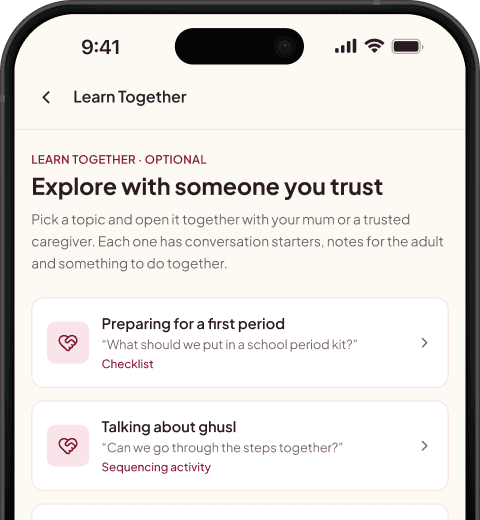
Mother-led
Learn Together allows you to guide discussions on issues that she may be experiencing for the first time.

Daughter-led
She asks, checks and practises on her own, and knows when to ask when she needs to.

An example
Ask it the way she asked you
Type or ask the question in your own words. The assistant understands it and returns the matching reviewed answer, or tells you when there is none. The answers below are illustrative and will be replaced by the reviewed text before the launch.
Our promise to both of you
What we do and do not do with your daughter's privacy
You set up the space. She owns what happens inside it. We tell both of you this plainly before you start and again when she starts.

- We do: You see which topics she has completed, if you choose to.
- We do: She uses her space without a name, a date of birth or an account.
- We do not: You never see her questions, her quiz attempts or her history.
- We do not: We never ask for cycle dates and never track her period.
- We do not: No open chatbot. You can ask in your own words, typed or spoken, but the assistant only ever returns a reviewed answer or tells you to ask a person. No messaging, no community, no ads.
Who reviews the content
Nothing is published
without two signatures
Every ruling is checked against the Shafi'i school of thought by a trusted scholar or asatizah. Every health explanation is checked by a trusted medical reviewer. Their names will appear here before the app launch.
What is included
It is hers until she no longer needs it.
Family access
How it is offered will be decided with the first group of mothers.- Help me now, for you
- Learn together, lessons and prompts
- A private learning space for your daughter, with a separate space for each daughter
- All future content updates
Open to every girl
The front door stays open
A girl who needs more clarification after asking an adult can still open Hayd & Seek and get answers. No account, no history. This part stays open to her.
Find an answer nowQuestions mothers ask
Before you join
Who is Hayd & Seek for?
Muslim girls aged 11 to 15 and the mother or trusted female caregiver with them. It is built for the girl who is experiencing the first few years of her first period, when the questions are most urgent and most awkward.
If your daughter is in this age range, this app is for her. If you are the one she would come to, or the one who wishes she would, it is for you too. You do not need to know the rulings well yourself; that is the point.
What if my daughter is younger than 11 or older than 15?
Younger: You can still use the 'Help Me Now' and the 'Learn Together' features yourself to prepare for the conversation with your daughter before it comes. Her own space is written for ages 11 and up, so you could wait before handing the app to her.
Older: The first release of the app will still answer her everyday questions, but it does not yet go into references, differences of opinion or complex cases such as irregular bleeding in depth. That content is planned for a later release. Tell us her age in the sign up form so we know the demand.
What does it help my daughter do?
Four issues she will probably face on her own, often at school or at night when you are not there: understand what is happening to her body:
- To know what she could and could not do during her period regarding her prayers,
- How her period affects her fasting and the relationship with the Qur'an,
- How she could perform her ghusl correctly from start to finish,
- How she could work out whether her period has actually ended so she knows when to do her prayers again.
Each one is taught in pictures and short simple steps, and your daughter can check herself with a scenario quiz. The aim is that she stops needing to ask someone every time, and knows the few times when she should.
What does it help me do?
Answer her on the day she asks, in words a scholar has already checked, instead of saying "ask your ustazah" or looking it up while she waits. The 'Help Me Now' feature takes the question she has asked you and gives you the answer in a mother's voice.
It also helps with the part where many mothers probably find more challenging than understanding the ruling itself: starting the conversation. The 'Learn Together' feature gives you prompts you can read aloud or adapt, and lessons you can go through side by side, so the first conversation with her goes well and the next ones get easier.
How is this better than searching online or asking in a group chat?
A search gives her ten answers from different schools of thought and no way to tell which applies to her. A group chat could offer you opinions, often confident but could sometimes be inaccurate, and exposes the question to people she had not chosen to ask.
Here, every ruling is checked against the Shafi'i school of thought by a named scholar or asatizah, and every health explanation by a named medical reviewer. Nothing is published without both signatures, and their names will be on the page. One school, one reviewed answer, and nobody else sees the questions that she has asked.
Which school of thought does it follow?
The Shafi'i school of thought, which most Muslim families in the region such as Singapore and Malaysia adhere to, and which is commonly taught in the madrasah here. If you follow a different school of thought, the rulings may differ and this app might not be the right fit for your questions.
Where a well-known answer elsewhere differs from the Shafi'i position, the app says so plainly, so your daughter is not confused when she hears something different from a friend or online.
Is this a period tracker or a chatbot?
Neither, and both are deliberate. It is not a tracker because it never asks for dates or predicts a cycle; we do not want a record of your daughter's cycle anywhere.
It is not an open chatbot because an AI should not write religious rulings. You and she can ask in your own words, typed or spoken, and the assistant understands the question, but it only returns an answer a scholar has reviewed, or says there is none and points you to a person. It cannot improvise.
What happens to my daughter's information?
Nothing is collected about her. Her safe space needs no name, no date of birth and no account, and her questions are not stored once answered. There is no profile of her anywhere to leak, sell or subpoena.
Between the two of you: you can see which topics she has completed, so you know what she has covered. You do not see her questions, quiz attempts or history. We tell her that too, in her space, because she will only use it if she believes it is hers.
Will it always have an answer?
No, and that is a safety feature, not a gap. Some cases are unclear, such as spotting after a period seemed to end, and some are personal, such as unusual pain or bleeding. For those the app stops and suggests to ask an asatizah or see a doctor, rather than guessing.
Every answer, even a clear one, ends with 'when to ask a person: you, a teacher, an asatizah or a doctor.' The symptoms that need a doctor are set by the medical reviewer, so your daughter is never reassured by an app when she should be seen by a medical practitioner.
Who is behind it, and what happens next?
A small team in Singapore led by a Muslim mother and educator who wanted this for her own daughter, working with a Shafi'i scholar and a medical reviewer. It is not a large company and there is no investor behind the content.
Next is a first group of mothers who will use it with their daughters and tell us what works, what is missing and how it should be offered. If you join, you will hear from us personally when the first version is ready, and your feedback will shape it.
The first group
Be one of the first mothers to try it
A small group of mothers in Singapore will use the first version with their daughters and tell us what works. You will help shape the content and how it is offered.
Already have the link? Go to Hayd & Seek
We ask only for your name and a way to reach you. Never your daughter's name. We use it only to contact you about the first group, and delete it if you ask.